
Key Differences in Luxury Pool Design
When it comes to creating a backyard oasis that combines functionality with breathtaking aesthetics, the choice between an infinity pool and a traditional pool can define your entire outdoor living experience. As luxury pool design continues to evolve, homeowners are increasingly drawn to the dramatic visual impact of infinity pools, yet traditional pools still hold significant appeal for their practicality and versatility. Understanding the key differences between these two pool styles is essential for making an informed decision that aligns with your property, budget, and lifestyle goals.
What Makes Infinity Pools Unique in Luxury Pool Design?
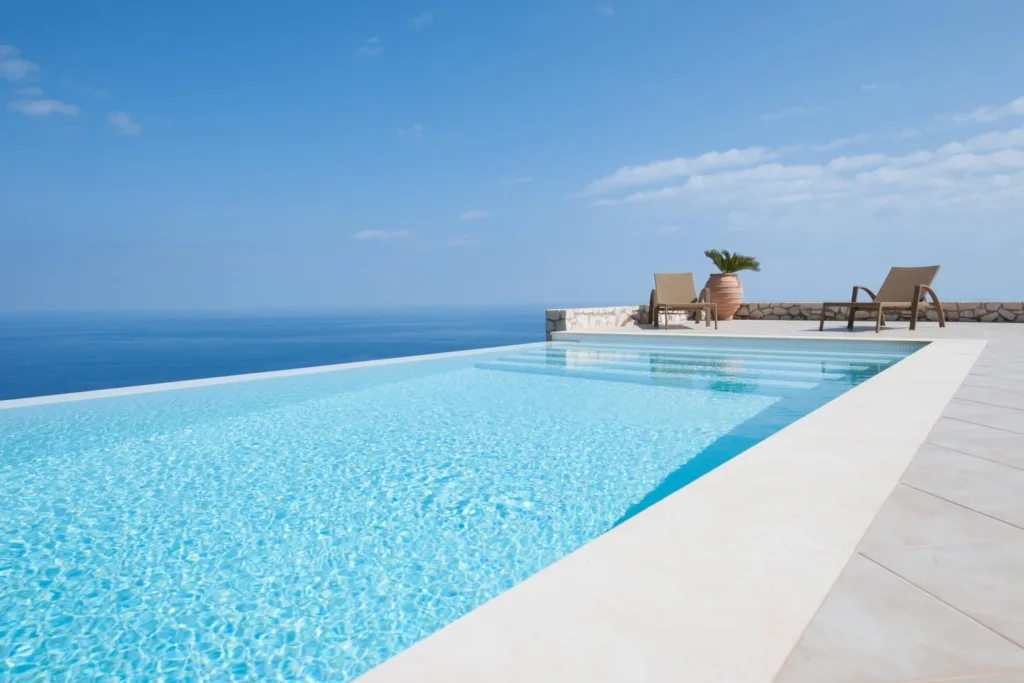
Infinity pools, also known as vanishing edge pools or negative edge pools, represent the pinnacle of luxury pool design. The defining characteristic of an infinity pool is its vanishing edge, where water flows over one or more sides of the pool into a catch basin below, creating the illusion that the water extends infinitely into the horizon. This architectural marvel became popular in the 1960s and has since become synonymous with high-end resorts, luxury homes, and properties with spectacular views.
The visual effect of infinity pools is nothing short of mesmerizing. When positioned correctly on a sloped property overlooking an ocean, lake, mountain range, or city skyline, the vanishing edge seamlessly blends the pool water with the distant view, creating a continuous visual plane that appears boundless. This illusion is what makes infinity pools the centerpiece of luxury outdoor spaces and a status symbol in contemporary architecture.
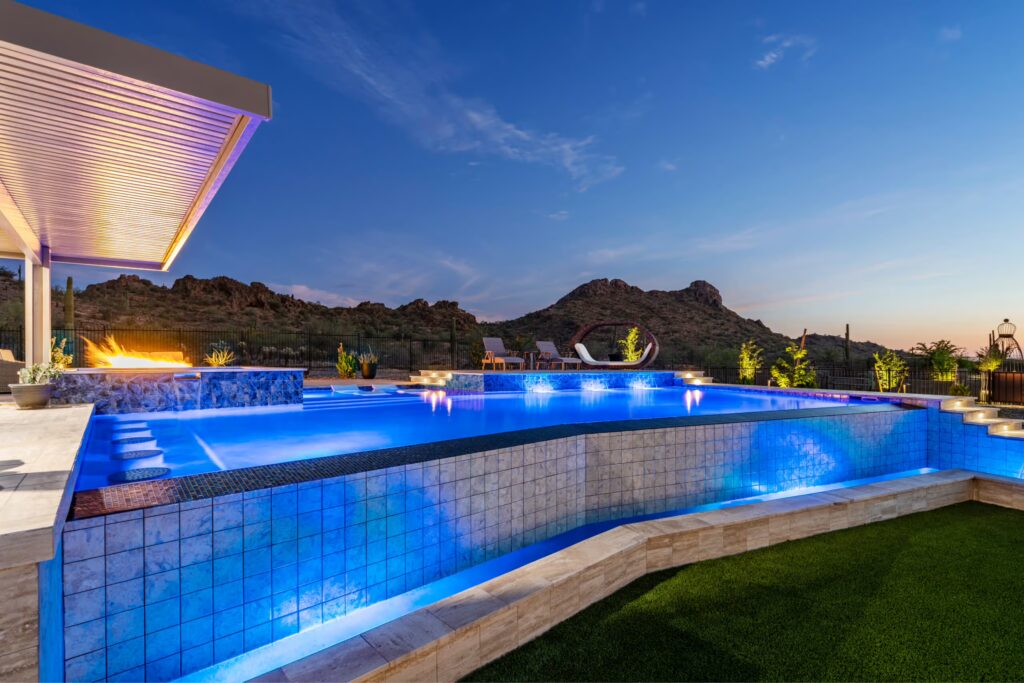
The engineering behind infinity pools is considerably more complex than traditional pool construction. Water that flows over the vanishing edge is collected in a catch basin or trough positioned just below the pool’s edge. From there, sophisticated pumping systems recirculate the water back into the main pool. This continuous water movement requires additional equipment, including larger pumps, extra filtration systems, and automated water level controls to maintain the precise balance needed for the vanishing edge effect.
Traditional Pools: Time-Tested Design and Versatility
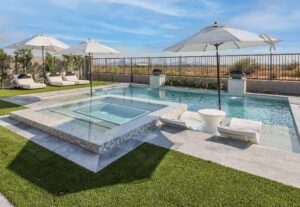
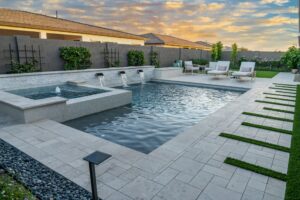
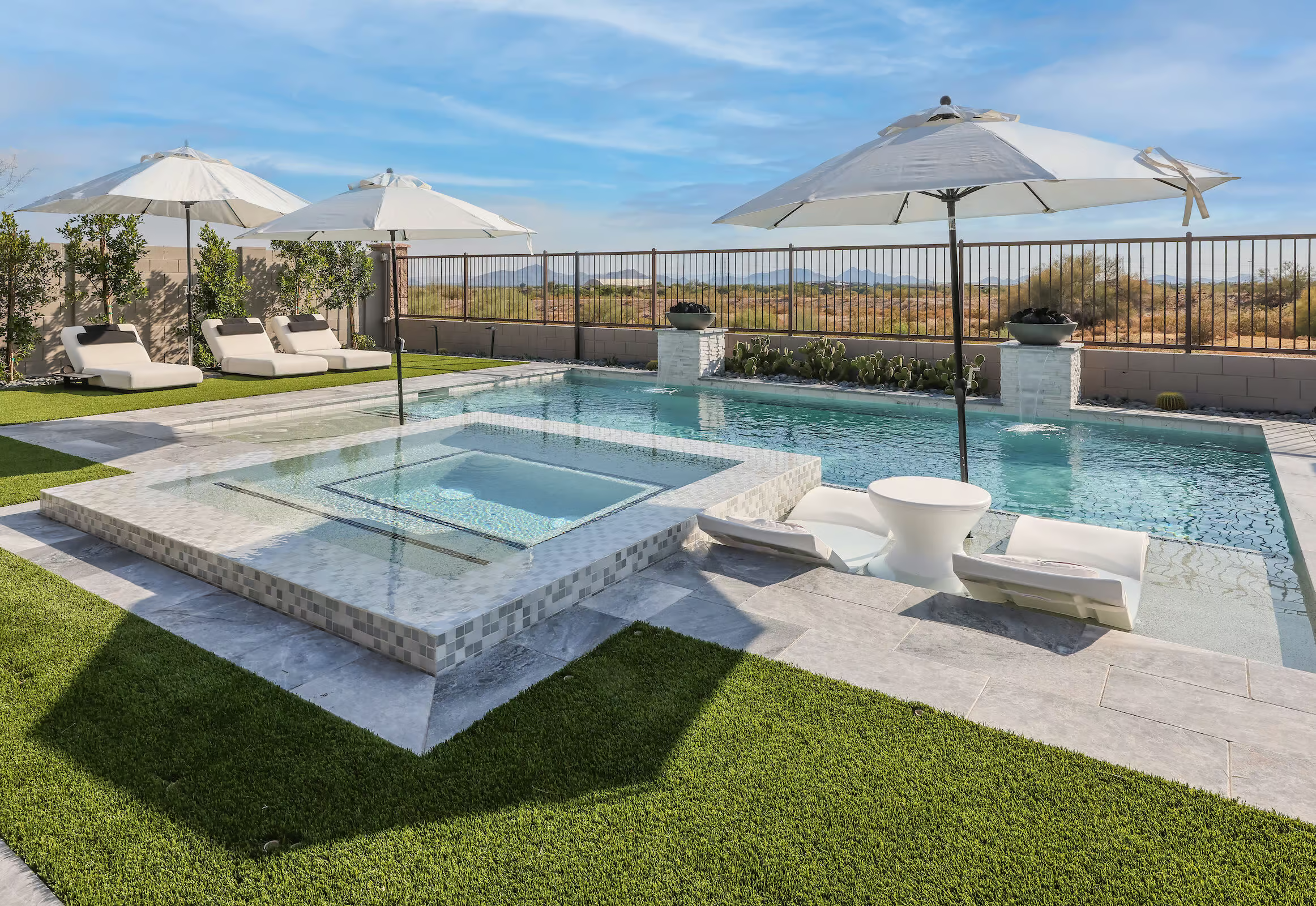
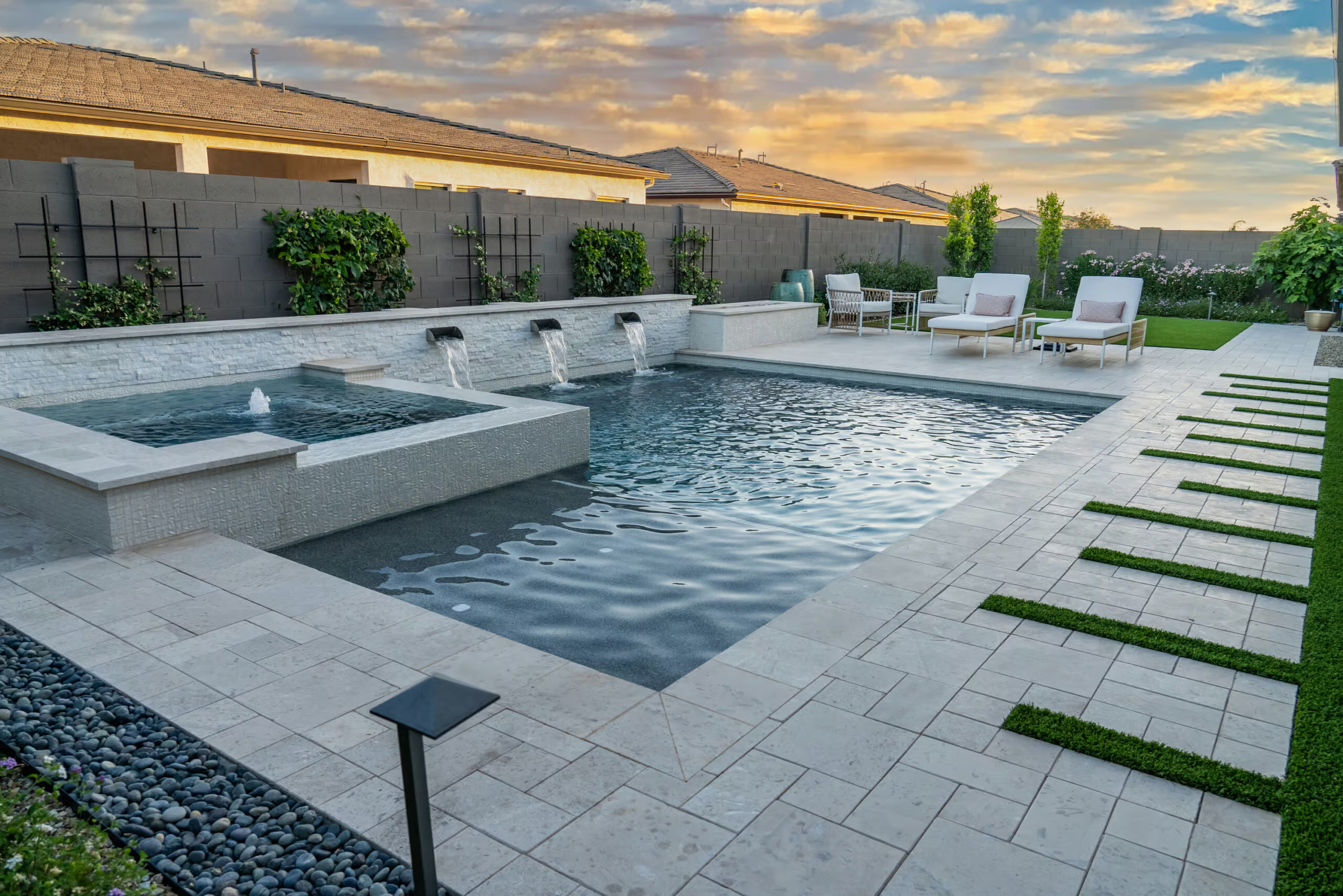
Traditional pools encompass a wide range of designs, from classic rectangular lap pools to freeform lagoon-style pools with natural rock features. Unlike infinity pools, traditional pools are contained within defined edges on all sides, with coping stones or decking that clearly delineates where the pool ends and the surrounding landscape begins. This conventional approach to pool construction has been refined over decades and remains the most popular choice for residential properties.
One of the primary advantages of traditional pools is their adaptability to virtually any property type or terrain. Whether you have a flat suburban lot, a small urban backyard, or a large estate, traditional pool design can be customized to fit your space constraints and aesthetic preferences. This flexibility extends to shapes, depths, features, and finishes, allowing homeowners to create everything from simple geometric designs to elaborate resort-style pools with grottos, waterfalls, and beach entries.
Traditional pools also offer practical advantages in terms of construction timelines, maintenance requirements, and long-term costs. The installation process is more straightforward, with fewer specialized components and less complex hydraulic systems. Maintenance is typically simpler because there’s no catch basin to clean, fewer pumps to service, and less sophisticated automation to monitor. For families with children, traditional pools often provide safer swimming environments with clearly defined edges and consistent water depths.
Cost Considerations in Luxury Pool Design
The financial investment required for infinity pools versus traditional pools differs significantly, and understanding these cost implications is crucial for budget planning. Infinity pools typically cost 25 to 50 percent more than comparable traditional pools of the same size. This premium reflects the additional engineering, excavation work, specialized equipment, and skilled labor required to create the vanishing edge effect.
For infinity pools, the catch basin and trough system alone can add tens of thousands of dollars to the project cost. Additional expenses include more powerful pumps capable of moving greater volumes of water, advanced automation systems for water level management, and often more extensive site preparation to create or enhance the sloped terrain needed for optimal visual impact. The ongoing operational costs are also higher due to increased water circulation, greater energy consumption from multiple pumps, and more complex chemical balancing requirements.
Traditional pools, while still representing a substantial investment, offer more predictable pricing and a wider range of options across different budget levels. A well-designed traditional pool can still embody luxury through premium finishes, high-end features like LED lighting and heating systems, and sophisticated landscaping. Homeowners working with moderate budgets can achieve an impressive luxury pool design without the premium associated with infinity edge construction.
Site Requirements and Location Considerations
The success of an infinity pool depends heavily on proper site selection and topography. These pools achieve their most dramatic effect when installed on properties with natural elevation changes and compelling views. The vanishing edge should face the most attractive vista, whether that’s an ocean, valley, golf course, or architectural landscape. Properties with relatively flat terrain may require extensive grading and earth-moving to create the elevation differential needed for the infinity edge, substantially increasing project costs.
Infinity pools work best when the catch basin can be concealed from view, maintaining the illusion of endless water. This often means the pool must be positioned at or near the property’s highest point, with the catch basin built into a downward slope. Urban or suburban lots with close neighbors or limited space may not provide the privacy or vantage points necessary to showcase an infinity pool’s signature effect.
Traditional pools offer far greater flexibility in placement and can be successfully installed on virtually any property type. Flat lots are ideal for traditional pool construction, eliminating the need for expensive excavation beyond the pool basin itself. Even small yards can accommodate beautiful traditional pools that maximize the available space without requiring specific topographical features or distant views for visual impact.
Maintenance and Long-Term Ownership
The maintenance requirements for infinity pools are notably more demanding than those for traditional pools. The catch basin must be regularly cleaned to prevent debris accumulation, which can clog pumps and affect water circulation. The vanishing edge itself requires careful attention to maintain the correct water level and ensure even flow across the entire edge. Wind can cause water loss, and the sophisticated automation systems require periodic servicing by qualified technicians familiar with infinity pool technology.
Water chemistry in infinity pools can be more challenging to balance due to the increased water movement and larger total volume when including the catch basin. The additional pumps and equipment also mean more components that may require repair or replacement over time. Winterization in colder climates is more complex, requiring specialized procedures to protect the catch basin and extended plumbing systems from freeze damage.
Traditional pools, by comparison, follow well-established maintenance routines that most pool service professionals can easily handle. Cleaning, chemical balancing, and equipment maintenance are straightforward processes with readily available parts and widespread technical knowledge. The simplicity of traditional pool systems typically results in fewer service calls and lower annual maintenance costs.
Making the Right Choice for Your Luxury Pool Design
Choosing between infinity pools and traditional pools ultimately depends on your specific circumstances, priorities, and vision for your outdoor space. Infinity pools offer unmatched visual drama and modern sophistication, making them ideal for properties with spectacular views and homeowners willing to invest in both the initial construction and ongoing maintenance. These pools transform outdoor spaces into architectural statements that seamlessly integrate with the surrounding landscape.
Traditional pools provide versatility, practicality, and excellent value while still offering extensive customization options for creating luxurious outdoor environments. They accommodate a wider range of uses, from serious lap swimming to family recreation, and can be enhanced with virtually any feature imaginable to achieve your desired level of luxury.
Whether you choose the dramatic infinity edge or the classic elegance of a traditional design, investing in professional luxury pool design services ensures your vision becomes a reality that enhances your property value and provides years of enjoyment.
See what’s right for you with Custom Pool Pros!